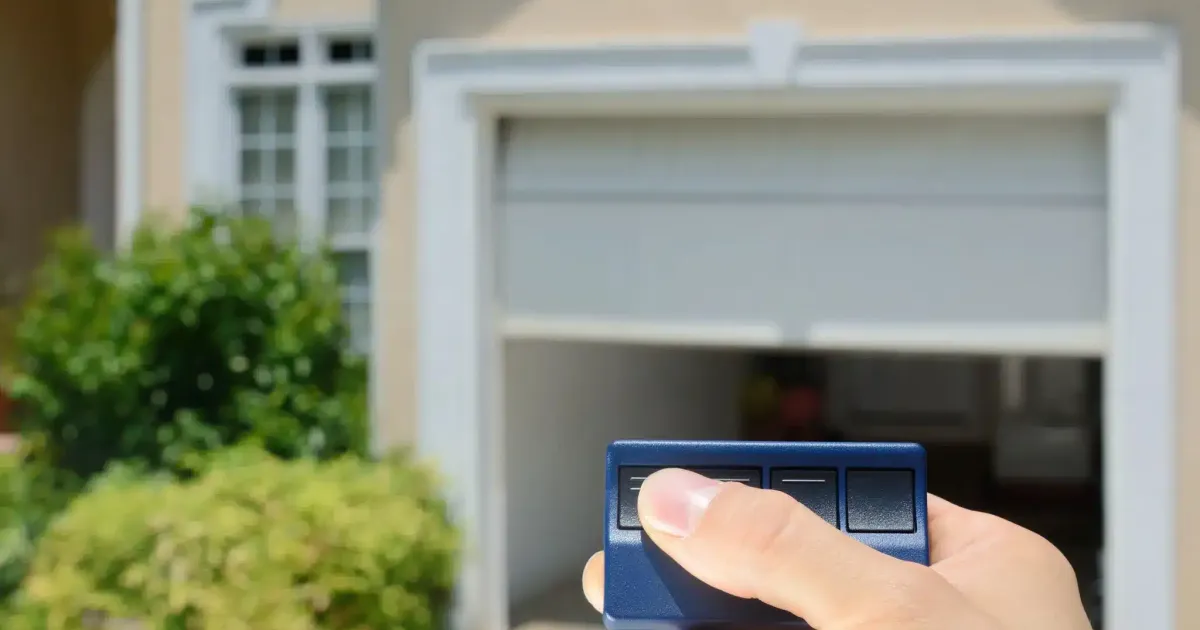
Do Garage Doors Fail More in the Winter?

The Jaydor Co. serves homeowners throughout Norristown, and every winter the same concern comes up again and again: do garage doors fail more often when it’s cold outside?
If your garage door feels slower, louder, or less reliable during winter, you’re not imagining it. Cold weather can have a real impact on both the mechanical and electrical components of your garage door system, especially the opener. Understanding how low temperatures affect these parts can help you spot issues early and avoid inconvenient or dangerous breakdowns.
Why Winter Is Hard on Garage Doors
Garage doors are complex systems made up of springs, rollers, cables, tracks, sensors, wiring, and a motorized opener. While these components are designed to be durable, extreme cold creates conditions that expose wear, age, and minor weaknesses that may not show up during warmer months.
Cold temperatures cause materials to contract, lubricants to thicken, and batteries to drain faster. When all of these factors combine, even a normally reliable garage door can begin to struggle.
How Cold Weather Affects Garage Door Openers
Battery Life Drops in Low Temperatures
Cold weather is notorious for reducing battery efficiency. If your garage door opener uses a backup battery, or if your remote relies on small internal batteries, freezing temperatures can dramatically shorten battery life. Homeowners often notice that:
- The remote only works intermittently
- The opener responds slowly
- The system stops working entirely during very cold mornings
In many cases, the batteries weren’t “dead,” but the cold prevented them from delivering enough power to operate the opener properly.
Lubrication Thickens and Creates Resistance
Garage doors rely on smooth movement. Rollers, hinges, springs, and bearings all need proper lubrication to function correctly. In winter, standard lubricants can become thick or sticky, increasing friction throughout the system. This added resistance forces the opener motor to work harder, which may cause:
- Sluggish opening and closing
- Jerky or uneven movement
- Loud grinding, squealing, or popping sounds
Over time, this extra strain can lead to motor failure or premature wear on other components.
Metal Contraction Affects Mechanical Components
Metal contracts when temperatures drop, and while the change may seem minor, it can have noticeable effects on garage door systems. Springs, tracks, and cables can all be affected by contraction.
Garage door springs are especially vulnerable in winter. Cold metal becomes more brittle, increasing the risk of snapping—particularly if the springs are already worn or nearing the end of their lifespan. A broken spring can prevent the door from opening and create a serious safety hazard.
Wiring and Electrical Components Become Less Reliable
Garage door openers rely on electrical systems that can also struggle in extreme cold. Wiring insulation can stiffen or crack, connections may loosen, and condensation can interfere with circuit boards.
Safety sensors mounted near the ground are often impacted by winter conditions. Moisture, ice, snow, or even salt buildup can block or disrupt the sensor signal, causing the door to reverse unexpectedly or refuse to close.
Common Winter Warning Signs to Watch For
Winter-related garage door issues often start small. Pay attention to early signs such as:
- Hesitation before the door starts moving
- Increased noise during operation
- The door stopping halfway or reversing
- Inconsistent response from remotes or wall controls
Addressing these symptoms early can prevent a complete failure during the coldest part of the season.
Simple Diagnostic Checks Homeowners Can Do
While many garage door repairs require professional service, there are a few safe steps homeowners can take:
- Replace remote and backup batteries at the start of winter
- Clean photo-eye sensors with a soft, dry cloth
- Check tracks for debris, ice, or buildup
- Listen for new or unusual sounds during operation
It’s important not to adjust springs, cables, or motor settings yourself. These components are under high tension and can cause serious injury if handled improperly.
Preventing Garage Door Problems Before Winter Hits
The best way to avoid cold-weather garage door failures is preventative maintenance. A few proactive steps can make a significant difference:
- Use a garage-door-specific lubricant rated for cold temperatures
- Schedule routine maintenance before freezing weather arrives
- Keep your garage as insulated as possible to reduce temperature swings
- Replace aging or worn components before they fail
Preventative care helps your garage door operate more efficiently and extends the lifespan of both the door and the opener.
When It’s Time to Call a Professional
If your garage door continues to struggle despite basic checks, it’s time to call a professional. Winter conditions tend to make small issues worse quickly, and a malfunctioning garage door can pose safety and security risks.
A professional inspection can identify cold-weather stress points, test electrical components, adjust lubrication, and ensure your system is operating safely and reliably.
Stay Ahead of Winter Garage Door Failures
So, do garage doors fail more in the winter? The short answer is yes but not because winter itself causes damage overnight. Cold weather simply exposes weaknesses in batteries, lubrication, wiring, and mechanical components that already need attention.
For homeowners in Norristown, staying ahead of winter garage door issues means fewer emergencies, safer operation, and greater peace of mind. If your garage door is showing signs of trouble, give us a call today or schedule a professional inspection or repair with The Jaydor Co. Proper maintenance today can save you from a frozen, stuck, or broken garage door tomorrow.

Request Service
Please fill out the form below to request an estimate or schedule service.
Contact Form
"*" indicates required fields