Author: Kevin

Everything You Need to Know About Garage Door Cables

Your garage door is a complex piece of machinery that relies on the perfect synchronization of several heavy-duty components to operate safely. While the springs often get the most attention, the garage door cables are the unsung heroes that do much of the heavy lifting. At The Jaydor Company, we believe an educated homeowner is a safer homeowner. This guide explains the critical role these cables play and how to spot signs of trouble before they lead to a system failure.

The Critical Role of Garage Door Cables

Garage door cables are high-strength steel wires that act as the connection between the door’s weight and the energy stored in the springs. They do not work in isolation; instead, they work in tandem with the springs to manage the immense force required to move a door that can weigh hundreds of pounds.

In a torsion spring system, the cables are attached to drums at either end of the bar above the door. As the door opens, the springs unwind, and the drums spin, neatly spooling the cables to lift the door panels. In an extension spring system, the cables run through a series of pulleys to help the springs stretch and contract. Without these cables, the springs would have no way to transfer their power to the door itself.

Signs of Wear and Tear: What to Look For

Because cables are under constant, extreme tension, they will eventually succumb to the friction and environmental conditions of your garage. Regular visual inspections are vital for catching issues early.

Fraying or “Hairs”

If you see small, individual strands of wire sticking out from the cable, it is beginning to fray. This is a sign that the cable’s structural integrity is compromised and a snap is imminent.

Corrosion and Rust

Moisture in the garage can cause steel cables to rust. Rust makes the metal brittle and significantly increases the risk of the cable snapping during a cycle.

Slack or Looseness

If you notice a cable hanging loosely or “jumping” off the drum, the door is out of balance. This often indicates that a spring has weakened or a cable has stretched beyond its safe limit.

A Crooked Door

If your garage door appears to be sitting at an angle or one side is higher than the other, one of your cables has likely slipped or stretched more than the other.

Why Frayed Cables are a Serious Safety Issue

A frayed or broken cable is not a minor repair that can be ignored. When a cable fails, the entire weight of that side of the door is suddenly transferred elsewhere or falls completely. This can cause the door to crash down with enough force to damage your vehicle or cause life-threatening injuries to anyone nearby.

Furthermore, the cables are attached to brackets that are under intense pressure from the garage door springs. Attempting to adjust or replace these cables yourself is extremely dangerous because the sudden release of spring tension can cause the cable to whip out with enough speed to cause severe lacerations.

Trust the Professionals at The Jaydor Company

If you notice any signs of wear on your garage door cables, do not attempt a DIY fix. Professional intervention is the only way to ensure the tension is safely managed and the door is properly balanced. At The Jaydor Company, our technicians are trained to identify the specific type of cable and spring configuration your home requires and perform the replacement with specialized tools.

Common Garage Door Repairs You Should Never DIY

Your garage door is likely the largest and heaviest moving object in your home. While many homeowners in our community enjoy tackling weekend home improvement projects, certain garage door repairs carry significant risks that far outweigh the potential savings of a “do-it-yourself” approach. At The Jaydor Company, our primary concern is your family’s safety.

This guide outlines the specific repairs that should always be handled by trained professionals to avoid catastrophic injury or property damage.

Replacing Broken Torsion Springs

The torsion spring is the literal muscle of your garage door system. These components are wound under an incredible amount of tension to counterbalance the weight of the door.

The Problem

Over time, the metal in these springs fatigues and eventually snaps, often with a loud bang. Once broken, the door will feel extremely heavy or refuse to open at all.

Why DIY is Dangerous

Attempting to replace or wind a torsion spring without specialized tools and training is one of the most common causes of serious garage door injuries. If a tool slips or the spring releases unexpectedly, it can cause severe lacerations or even be life-threatening.

The Call to Action

If you see a gap in your spring, do not pull the red release cord. Contact The Jaydor Company immediately for a safe, professional spring replacement.

Repairing Frayed or Snapped Cables

Garage door cables work in tandem with the springs to lift and lower the door smoothly. These steel aircraft cables are under the same intense tension as the springs.

The Problem

Moisture and wear can cause these cables to rust, fray, or snap entirely. A broken cable often causes the door to hang crookedly or become jammed in the tracks.

Why DIY is Dangerous

Because the cables are attached to the bottom brackets which are under spring tension, they can whip out with enough force to cause serious harm if they are disconnected improperly. Furthermore, an improperly installed cable can cause the door to fall unexpectedly.

The Call to Action

If your cables look worn or have slipped off the drum, keep away from the door and call our team to restore the system’s balance.

Realignment of Bent or Damaged Tracks

The tracks act as the guide rails for your door. For the door to move safely, these tracks must be perfectly vertical and aligned with surgical precision.

The Problem

Accidents involving vehicles or even heavy garden tools can bend or misalign the tracks. This leads to a door that shakes, grinds, or gets stuck halfway.

Why DIY is Dangerous

Homeowners often try to hammer a track back into place, but this can cause the rollers to pop out of the track entirely. If the door loses its guide rails while in motion, the entire structure can collapse.

The Call to Action

Stop using your door if the tracks appear bent. Let our technicians professionally realign and secure your tracks to ensure long-term safety.

Replacing Damaged Bottom Brackets

The bottom brackets are the hardware pieces located at the very bottom corners of your garage door. They serve as the anchor point for the lift cables.

The Problem

These brackets are often the first to rust due to exposure to rain and snow, leading to a weakened connection.

Why DIY is Dangerous

Many people do not realize that these brackets are under permanent tension from the garage door springs. Removing the bolts on a bottom bracket without first securing the spring tension can cause the bracket to fly off at high speed.

The Call to Action

If your bottom brackets look corroded or loose, do not attempt to tighten the bolts yourself. Reach out to The Jaydor Company for a professional hardware inspection.

Trust the Professionals at The Jaydor Company

At The Jaydor Company, we have the experience and the right equipment to handle these complex mechanical issues safely and efficiently. We provide upfront estimates and a meticulous safety walkthrough so you can have total confidence in your garage door’s operation. Do not risk your safety on a dangerous DIY repair. Give us a call or schedule your appointment online to get started.

The Best Insulated Garage Doors for Norristown, PA Homes

The Jaydor Co. works with homeowners throughout Norristown, and one of the most common upgrade questions we hear is whether an insulated garage door is worth the investment. With Pennsylvania’s changing seasons, the right garage door can make a noticeable difference in comfort, efficiency, and noise control.

This guide explains the best insulated garage doors for Norristown homes, how insulation types differ, what R value ratings really mean, and how to choose the right option for your specific needs.

Why Insulated Garage Doors Matter in Norristown

Norristown experiences cold winters, humid summers, and frequent temperature swings throughout the year. A garage door that lacks insulation allows outdoor temperatures to move freely into your garage, which can affect your home in several ways.

If your garage is attached to your house, cold air can seep into nearby rooms during winter. In summer, heat buildup in the garage can transfer indoors. Insulated garage doors help regulate these temperature changes, making your home more comfortable year round.

Understanding Garage Door Insulation Types

Not all insulated garage doors are built the same. The type of insulation inside the door panels plays a major role in performance, durability, and cost.

Polystyrene Insulation

Polystyrene insulation is commonly used in entry level insulated garage doors. It is often installed as rigid panels that fit inside the door sections. Key features of polystyrene insulation include:

  • Lightweight construction
  • Moderate thermal protection
  • Lower upfront cost

Polystyrene doors typically offer lower R values compared to other options, but they still provide a noticeable improvement over non insulated doors. For homeowners who want basic insulation without a major investment, polystyrene can be a practical choice.

Polyurethane Insulation

Polyurethane insulation is considered the premium option for garage doors. It is injected as a liquid foam that expands and bonds to the door panels, filling every gap. Benefits of polyurethane insulation include:

  • Higher R value ratings
  • Stronger and more rigid door construction
  • Improved noise reduction

Because polyurethane fully bonds to the door, it adds structural strength and better seals against air infiltration. This makes it an excellent option for Norristown homeowners who prioritize energy efficiency and durability.

What R Value Ratings Mean for Garage Doors

R value measures how well a material resists heat transfer. The higher the R value, the better the insulation performance. For garage doors:

  • Lower R values offer basic insulation and noise reduction
  • Higher R values provide better temperature control and energy efficiency

In Norristown’s climate, many homeowners find that a mid to high R value door offers the best balance between performance and cost. If your garage is used as a workspace, gym, or storage area for temperature sensitive items, a higher R value is often worth the upgrade.

Benefits of Installing an Insulated Garage Door

Choosing an insulated garage door provides more than just temperature control. Homeowners often notice improvements in several areas.

Improved Energy Efficiency

An insulated garage door reduces heat loss in winter and limits heat gain in summer. This can help stabilize indoor temperatures and reduce strain on your heating and cooling systems, especially if there are living spaces above or beside the garage.

Reduced Noise

Insulated doors absorb sound more effectively than hollow doors. This means less noise from street traffic, lawn equipment, and even the garage door opener itself. It also helps prevent garage noise from traveling into your home.

Increased Door Strength and Durability

Insulated doors are generally more rigid and resistant to dents and damage. This added strength helps the door hold up better against daily use and weather related stress.

Enhanced Comfort and Usability

A more stable garage temperature makes the space more comfortable for hobbies, storage, and everyday use. Insulation can also help protect stored items from extreme cold or heat.

Choosing the Right Insulated Garage Door for Your Home

When selecting an insulated garage door in Norristown, consider how you use your garage and what you expect from the upgrade. Ask yourself:

  • Is the garage attached to the home
  • Are there living spaces nearby or above
  • Do you spend time working in the garage
  • Is noise reduction important

Homeowners who use the garage frequently or have temperature sensitive spaces nearby often benefit most from polyurethane insulated doors with higher R values. For garages used mainly for parking and storage, polystyrene insulation may be sufficient.

Style and Material Considerations

Insulation does not limit your design options. Modern insulated garage doors are available in a wide range of styles and materials, including steel, carriage house designs, and contemporary finishes.

Steel doors paired with polyurethane insulation are especially popular in Norristown because they combine durability, efficiency, and low maintenance.

Professional Installation Makes a Difference

Even the best insulated garage door will not perform properly without correct installation. Proper sealing, alignment, and hardware setup all play a role in insulation effectiveness and long term reliability. A professional installer can:

  • Recommend the right insulation type and R value
  • Ensure proper fit and weather sealing
  • Test door balance and opener performance

Professional installation also helps prevent premature wear and operational issues.

Making an Informed Decision for Your Norristown Home

Choosing the best insulated garage door comes down to understanding your local climate, your home’s layout, and your daily needs. Norristown homeowners benefit from doors that provide solid insulation, noise reduction, and durability across all seasons.

If you are considering an upgrade or replacing an aging garage door, The Jaydor Co. can help you evaluate your options and select a door that fits your home and lifestyle. A well chosen insulated garage door is not just an upgrade. It is an investment in comfort, efficiency, and long term performance. 

Do Garage Doors Fail More in the Winter?

The Jaydor Co. serves homeowners throughout Norristown, and every winter the same concern comes up again and again: do garage doors fail more often when it’s cold outside?

If your garage door feels slower, louder, or less reliable during winter, you’re not imagining it. Cold weather can have a real impact on both the mechanical and electrical components of your garage door system, especially the opener. Understanding how low temperatures affect these parts can help you spot issues early and avoid inconvenient or dangerous breakdowns.

Why Winter Is Hard on Garage Doors

Garage doors are complex systems made up of springs, rollers, cables, tracks, sensors, wiring, and a motorized opener. While these components are designed to be durable, extreme cold creates conditions that expose wear, age, and minor weaknesses that may not show up during warmer months.

Cold temperatures cause materials to contract, lubricants to thicken, and batteries to drain faster. When all of these factors combine, even a normally reliable garage door can begin to struggle.

How Cold Weather Affects Garage Door Openers

Battery Life Drops in Low Temperatures

Cold weather is notorious for reducing battery efficiency. If your garage door opener uses a backup battery, or if your remote relies on small internal batteries, freezing temperatures can dramatically shorten battery life. Homeowners often notice that:

  • The remote only works intermittently
  • The opener responds slowly
  • The system stops working entirely during very cold mornings

In many cases, the batteries weren’t “dead,” but the cold prevented them from delivering enough power to operate the opener properly.

Lubrication Thickens and Creates Resistance

Garage doors rely on smooth movement. Rollers, hinges, springs, and bearings all need proper lubrication to function correctly. In winter, standard lubricants can become thick or sticky, increasing friction throughout the system. This added resistance forces the opener motor to work harder, which may cause:

  • Sluggish opening and closing
  • Jerky or uneven movement
  • Loud grinding, squealing, or popping sounds

Over time, this extra strain can lead to motor failure or premature wear on other components.

Metal Contraction Affects Mechanical Components

Metal contracts when temperatures drop, and while the change may seem minor, it can have noticeable effects on garage door systems. Springs, tracks, and cables can all be affected by contraction.

Garage door springs are especially vulnerable in winter. Cold metal becomes more brittle, increasing the risk of snapping—particularly if the springs are already worn or nearing the end of their lifespan. A broken spring can prevent the door from opening and create a serious safety hazard.

Wiring and Electrical Components Become Less Reliable

Garage door openers rely on electrical systems that can also struggle in extreme cold. Wiring insulation can stiffen or crack, connections may loosen, and condensation can interfere with circuit boards.

Safety sensors mounted near the ground are often impacted by winter conditions. Moisture, ice, snow, or even salt buildup can block or disrupt the sensor signal, causing the door to reverse unexpectedly or refuse to close.

Common Winter Warning Signs to Watch For

Winter-related garage door issues often start small. Pay attention to early signs such as:

  • Hesitation before the door starts moving
  • Increased noise during operation
  • The door stopping halfway or reversing
  • Inconsistent response from remotes or wall controls

Addressing these symptoms early can prevent a complete failure during the coldest part of the season.

Simple Diagnostic Checks Homeowners Can Do

While many garage door repairs require professional service, there are a few safe steps homeowners can take:

  1. Replace remote and backup batteries at the start of winter
  2. Clean photo-eye sensors with a soft, dry cloth
  3. Check tracks for debris, ice, or buildup
  4. Listen for new or unusual sounds during operation

It’s important not to adjust springs, cables, or motor settings yourself. These components are under high tension and can cause serious injury if handled improperly.

Preventing Garage Door Problems Before Winter Hits

The best way to avoid cold-weather garage door failures is preventative maintenance. A few proactive steps can make a significant difference:

  • Use a garage-door-specific lubricant rated for cold temperatures
  • Schedule routine maintenance before freezing weather arrives
  • Keep your garage as insulated as possible to reduce temperature swings
  • Replace aging or worn components before they fail

Preventative care helps your garage door operate more efficiently and extends the lifespan of both the door and the opener.

When It’s Time to Call a Professional

If your garage door continues to struggle despite basic checks, it’s time to call a professional. Winter conditions tend to make small issues worse quickly, and a malfunctioning garage door can pose safety and security risks.

A professional inspection can identify cold-weather stress points, test electrical components, adjust lubrication, and ensure your system is operating safely and reliably.

Stay Ahead of Winter Garage Door Failures

So, do garage doors fail more in the winter? The short answer is yes but not because winter itself causes damage overnight. Cold weather simply exposes weaknesses in batteries, lubrication, wiring, and mechanical components that already need attention.

For homeowners in Norristown, staying ahead of winter garage door issues means fewer emergencies, safer operation, and greater peace of mind. If your garage door is showing signs of trouble, give us a call today or schedule a professional inspection or repair with The Jaydor Co. Proper maintenance today can save you from a frozen, stuck, or broken garage door tomorrow.

Frozen Garage Door? How to Safely Unstick It in the Philadelphia Winter

Philadelphia homeowners know winter can bring more than just cold temperatures and icy driveways. One of the most frustrating seasonal problems is a garage door frozen shut. Whether it is early morning during a snowstorm or you are trying to leave for work after a freezing rain, discovering that your garage door will not budge can create stress, delays, and even safety risks.

Before you try to force the door open, stop and take a breath. Frozen garage doors need careful handling to avoid damaging the door panels, opener system, springs, and cables. This guide explains why freezing happens, how to safely unstick your garage door, and when to call a professional like The Jaydor Company to diagnose a deeper issue.

Why Garage Doors Freeze Shut

A garage door can freeze for several reasons during a Philadelphia winter. Understanding the cause helps determine the safest way to fix it. Common reasons include:

  • Moisture collecting at the bottom seal that freezes to the concrete
  • Ice building up around the door tracks or rollers
  • Frozen weather stripping that adheres to the door frame
  • Frozen garage door springs or cables that will not move under tension
  • Humidity inside the garage causing condensation that later freezes

Even a small amount of ice can create a strong bond that prevents movement. Many homeowners make the mistake of trying to force the door open with the opener or by pulling manually. This is one of the quickest ways to burn out an opener motor or cause serious damage to springs and lifting mechanisms.

Never Force the Door Open

If your garage door is frozen shut, do not hit the remote repeatedly or try to muscle it open by hand. Garage doors operate with high tension systems, and the opener is designed to work smoothly, not against a frozen seal. Forcing a frozen door open can lead to:

  • Bent door panels
  • Stripped opener gears
  • Broken cables
  • Snapped torsion or extension springs
  • Door coming off its tracks

A broken spring or cable can send heavy metal components flying. These injuries can be severe and homeowners attempting DIY fixes often end up in emergency rooms. Always approach a frozen door with caution.

Safe Steps to Unstick a Frozen Garage Door

Here are safe, effective methods Philadelphia homeowners can use to thaw and release a frozen garage door.

1. Start by Disengaging the Opener

Pull the emergency release cord to disconnect the opener. This prevents damage if something suddenly breaks loose.

2. Use Hot Water Carefully

Pour warm water along the bottom seal to melt surface ice. Do not use boiling water since extreme temperature changes can crack concrete or damage the seal. After melting the ice, wipe the area dry and try lifting gently.

Be aware: water can refreeze quickly if temperatures are low. Use this method only if you can remove excess water completely.

3. Apply a Safe De-Icer

Store bought de-icing salt or spray is often effective. Avoid products with harsh chemicals that can corrode metal or eat through rubber. You can also use rubbing alcohol as a mild de-icer by applying it to the frozen area.

4. Use a Hair Dryer or Heat Gun on Low

Apply indirect heat along the bottom of the door and around the weather stripping. Move slowly and avoid overheating. This is one of the safest ways to thaw ice without damaging components.

5. Gently Tap the Bottom of the Door

Use a rubber mallet to gently break the bond between the seal and ground. Light taps only. If the door is still stuck, stop and try more warming techniques.

6. Lubricate Tracks and Seals

Once the door is free, apply a silicone-based lubricant to prevent future freezing. Avoid WD-40 on garage door tracks since it strips factory grease and can increase friction.

When It Is Time to Call a Professional

If you try to thaw your garage door and it still will not move, the problem may be mechanical rather than frozen. Ice often reveals existing issues, such as:

  • Broken torsion or extension springs
  • Damaged cables or rollers
  • Bent tracks
  • Opener motor strain or failure
  • Severely worn weather stripping

Attempting DIY repair on high tension springs or cables is extremely dangerous. These components hold hundreds of pounds of force and can cause serious injury if handled incorrectly. If you hear loud popping, snapping, grinding, or if the door suddenly lifts unevenly, stop immediately and call a professional.

The Jaydor Company provides fast emergency garage door service throughout Norristown and the surrounding Philadelphia region. Our technicians are trained to safely diagnose and repair frozen or damaged systems to restore function and protect your property.

How to Prevent Your Garage Door from Freezing

Prevention helps avoid winter headaches. Here are simple steps to reduce the chances of a frozen door:

  • Keep the bottom seal clean and intact
  • Clear snow and ice from the threshold regularly
  • Ensure garage humidity is controlled with ventilation or a dehumidifier
  • Lubricate tracks, rollers, and hinges each season
  • Replace worn or cracked weather stripping
  • Schedule seasonal professional maintenance

A properly maintained garage door is less likely to freeze and more likely to operate smoothly all winter long.

Need Help with a Frozen Garage Door in Philadelphia?

A frozen, stuck garage door is frustrating, but with the right techniques it can be safely resolved. If attempts to thaw the door do not work or you suspect a broken spring or cable, do not put yourself or your family at risk.

Call The Jaydor Company today at (484) 997-8823 for frozen garage door assistance or schedule service online. Stay safe, stay warm, and let our professionals take care of the rest.

The Dangers of a Broken Garage Door Spring: Why You Need a Pro

A garage door may seem straightforward from the outside, but behind the scenes is a complex system of high-tension components designed to lift and lower a door that often weighs 200 pounds or more. The most important part of this system is the garage door spring, and when a broken garage door spring exists, the consequences can be severe. Many homeowners underestimate the risks and attempt a do-it-yourself fix, only to discover too late that a broken spring can cause catastrophic injury, major property damage, or complete failure of the garage door system.

At The Jaydor Company, we have seen firsthand the dangers that come with garage door spring repairs performed without proper training and equipment. Serving Norristown, PA and surrounding communities, we are dedicated to educating homeowners so they understand why spring replacement is a job only a qualified professional should perform.

What Garage Door Springs Do and Why They Matter

Most garage doors rely on either torsion springs or extension springs. These springs are tightly wound and engineered to counterbalance the weight of the door. They absorb and store energy to help the opener lift the door smoothly and safely. Without these springs, a garage door would be incredibly heavy and nearly impossible to lift manually.

When the spring breaks, the system instantly loses its ability to support the weight of the door. What homeowners often do not realize is that these springs are under enormous tension. A typical garage door torsion spring may hold hundreds of pounds of stored energy, which is why a sudden snap can sound like a gunshot.

Signs Your Garage Door Spring May Be Broken

A broken spring is not always visible at first glance. Some common warning signs include:

  • A loud bang from the garage
  • The garage door only opens a few inches and then stops
  • The door appears crooked or uneven as it moves
  • The opener strains or makes unusual noises
  • The door falls rapidly when closing
  • You see a visible separation in the torsion spring

If you notice any of these issues, stop operating the door immediately and call a professional. Continuing to use the opener could burn out the motor or cause the door to come crashing down.

Why a Broken Garage Door Spring Is Extremely Dangerous

Many homeowners assume they can simply replace a spring by watching a video tutorial or checking online instructions. What is not shown in those videos is the risk involved. A garage door spring is one of the most dangerous mechanisms in a home due to the tension it maintains.

High Risk of Severe Injury

A spring that releases unexpectedly can cause:

  • Severe cuts and lacerations
  • Broken bones
  • Eye and facial injuries
  • Concussions or head trauma

Emergency rooms treat many homeowners every year due to failed garage door DIY repairs. It only takes one wrong move to send steel components flying.

Risk of Property Damage

Trying to lift or force a garage door with a broken spring can:

  • Burn out the garage door opener motor
  • Bend or break door panels
  • Damage the tracks or rollers
  • Collapse the door entirely

Once the door is out of balance, the entire system becomes unsafe until corrected.

Risk of the Door Slamming Shut

Without a functioning spring, the full weight of the door is unsupported. A falling garage door can crush objects or cause life-threatening injury to pets, children, or adults standing nearby.

Why Professional Spring Replacement Is Non-Negotiable

A trained garage door technician uses specialized tools and follows strict safety protocols to remove and replace high-tension springs. Professionals understand the precise measurements and calibration required for proper balance and smooth operation. This is not a job any homeowner should handle without full technical training. Professional technicians ensure:

  • Correct spring size and tension for your specific door
  • Safe removal of broken components
  • Proper alignment and balancing after installation
  • Testing of opener force and safety systems
  • Long-term durability and reliable performance

A poorly installed spring can cause repeated failures, more repairs, and significantly higher long-term costs.

Never Attempt to Open the Door if the Spring Is Broken

Even switching the opener to manual mode is risky when the spring is broken. A standard double garage door can weigh more than 300 pounds. Without spring support, lifting that weight could cause serious back injuries or result in the door falling suddenly.

If your car is trapped inside and you need to leave urgently, call a professional. The Jaydor Company offers fast service throughout Norristown to safely free stuck vehicles without causing structural damage to your door.

How to Prevent Future Spring Breakdowns

Although spring failure cannot be prevented entirely, you can reduce the risk and extend the life of your system through regular maintenance such as:

  • Lubricating springs and moving parts seasonally
  • Avoiding excessive reliance on garage door openers
  • Scheduling yearly professional inspections
  • Replacing both springs at once if one breaks

Routine service keeps the system balanced and operating smoothly.

Protect Your Safety and Your Home with Professional Garage Repair

At The Jaydor Company, your safety is our top priority. We provide expert garage door spring replacement for homeowners throughout Norristown, PA. Our technicians arrive with the proper tools, training, and replacement parts to restore your door safely and quickly. You can trust our team to perform the job correctly the first time and ensure your door operates reliably for years to come.

If you suspect a broken spring, do not touch the door, do not try to lift it manually, and do not attempt to repair it yourself.

Need Emergency Garage Door Spring Service in Norristown? Call The Jaydor Company!

Contact The Jaydor Company at (484) 997-8823 today to schedule safe, same-day spring repair. We are here to help when you need us most.

The Jaydor Company’s Fall Garage Door Maintenance Checklist for Norristown Homeowners

As the vibrant colors of autumn sweep across Norristown and the greater Philadelphia area, homeowners begin preparing their properties for the colder, harsher winter months ahead. While furnaces are tuned and gutters cleaned, one crucial component often gets overlooked until it’s too late: your garage door.

Your garage door is the largest moving part of your home and a vital barrier against the elements. After enduring the heat and humidity of summer, it needs attention to ensure it operates reliably, safely, and efficiently through the freezing temperatures, snow, and ice of a Pennsylvania winter. At The Jaydor Company, we understand the unique challenges our local weather poses. Our expert technicians have put together this detailed, easy-to-follow fall garage door maintenance checklist to help Norristown homeowners prevent costly repairs and inconvenient breakdowns when winter hits.

Why Fall Maintenance is Non-Negotiable in Norristown

Ignoring your garage door in the fall is like skipping an oil change before a long road trip. The seasonal shift brings several factors that can quickly degrade your system:

  • Temperature Extremes: The transition from warm autumn days to freezing winter nights causes metal components to contract, lubricants to thicken, and plastics to become brittle.
  • Moisture & Ice: Rain, sleet, and melting snow can seep into cracks, freeze, and cause components to seize or damage weather seals.
  • Increased Strain: Cold, stiff parts force your opener motor to work harder, accelerating wear and tear and increasing the risk of premature failure.

A few minutes of preventative maintenance now can save you from being stuck in the snow with a broken door or facing an emergency repair bill when technicians are busiest.

Your Detailed Fall Garage Door Maintenance Checklist

Here’s what Norristown homeowners should look for and address to winterize their garage door effectively:

1. Visual Inspection: The “Look and Listen” Test

Start by simply observing and listening as your door operates.

  • Open and Close the Door: Stand inside your garage with the door closed. Open it using your remote or wall button, then close it.
  • Look For: Jerky movements, grinding, scraping, or binding. Does one side move slower than the other? Does it shimmy or vibrate excessively?
  • Listen For: Unusual squealing, grinding, popping, or scraping noises. A smooth-operating door should be relatively quiet.
  • Check Cables & Springs: Visually inspect the cables for fraying and the springs (torsion or extension) for rust or visible gaps (a sign of a broken spring). If you see a broken spring, do NOT attempt to operate the door.

2. Lubricate Moving Parts: Fight Friction

Proper lubrication is the single most important step to combat cold-weather stiffness.

  • The Right Lubricant: Use a silicone-based garage door lubricant or a lithium-based grease. Avoid WD-40 or general-purpose oils, which attract dirt and gum up in the cold.
  • Where to Apply:
    • Hinges: Spray each hinge where the pivot points meet.
    • Rollers: Spray the ball bearings or the stem of the roller (where it meets the hinge). Do NOT lubricate nylon rollers on their plastic surfaces.
    • Springs: Lightly spray the entire length of both torsion or extension springs to prevent rust and reduce friction.
    • Opener Chain/Screw: Apply a thin layer along the length of the opener’s chain or screw drive.
  • What NOT to Lubricate: Never spray lubricant into the tracks. This attracts dirt and dust, creating a gummy residue that causes rollers to stick. Tracks should be clean and dry.
  • After Lubrication: Operate the door several times to distribute the lubricant.

3. Inspect and Clean Tracks: Ensure Smooth Rolling

  • Check for Obstructions: Look inside the tracks for any accumulated dirt, debris, or hardened grease. Use a damp cloth to wipe them clean.
  • Look for Bends or Damage: Even a slight bend can cause friction. If you notice any warping or damage, it’s best to call a professional.
  • Check Mounting Brackets: Ensure all track mounting brackets are securely fastened to the garage wall. Tighten any loose screws.

4. Test the Balance: Lighten the Load on Your Opener

A properly balanced door feels lighter and puts less strain on your opener.

  • Disconnect Opener: With the door fully closed, pull the red emergency release cord to disconnect the opener.
  • Manual Lift Test: Manually lift the door about halfway up. A well-balanced door should stay in place without assistance. If it quickly drifts down or up, your springs are out of balance and need professional adjustment.
  • Reconnect: Push the button on your opener or pull the emergency cord towards the opener motor to re-engage the door.
  • Why it Matters for Winter: Cold springs lose some tension. A professionally balanced door will compensate for this, preventing your opener from being overworked. Do NOT attempt to adjust springs yourself – this is extremely dangerous.

5. Examine Weatherstripping & Seals: Seal Out the Cold

Your door’s seals are crucial for energy efficiency and preventing moisture intrusion.

  • Bottom Seal (Astragal): Inspect the rubber or vinyl strip along the bottom edge for cracks, hardening, tears, or gaps. This seal keeps out cold, wind, and prevents the door from freezing to the concrete. Replace it if damaged.
  • Perimeter Weatherstripping: Check the vinyl or rubber strips around the sides and top of the door frame. Ensure they are pliable, not cracked, and make continuous contact with the door when closed. Replace any compromised sections.
  • Prevention: Clearing snow and ice away from the bottom of the door before opening can prevent damage to the bottom seal.

6. Test Safety Features: Protect Your Family

These are non-negotiable safety checks.

  • Photo-Eye Sensors: Locate the two small boxes near the floor on either side of the door opening. Ensure they are free of dirt, cobwebs, or condensation. The indicator lights should be on steadily. If a light is off or blinking, gently wipe the lenses clean. If still problematic, they may be misaligned or faulty.
  • Reversal Mechanism Test: Place a 2×4 piece of wood flat on the ground directly in the door’s path. Activate the opener to close the door. When the door contacts the 2×4, it should immediately reverse and open fully. If it fails to reverse, the force settings are dangerously high, and you should stop using the door immediately and call for professional service.

When to Call The Jaydor Company

While this checklist empowers Norristown homeowners to perform basic maintenance, some issues require expert intervention:

  • Broken Springs or Cables: Extremely dangerous to handle.
  • Bent Tracks or Damaged Panels: Affects alignment and smooth operation.
  • Opener Malfunctions: Electrical issues or internal motor problems.
  • Persistent Noises or Sticking: Beyond what lubrication can fix.
  • Safety Feature Failures: If sensors or the auto-reverse don’t work correctly.

Don’t let a minor fall issue become a major winter emergency. A few simple steps now can save you significant hassle and expense.

For professional assistance with your fall garage door maintenance or any repair needs in Norristown and the greater Philadelphia area, call The Jaydor Company today at (610) 467-7344!

How to Quiet a Noisy Garage Door: A Guide for Homeowners

A noisy garage door can quickly turn a simple daily task into a frustrating experience. Whether your garage door squeaks, rattles, or makes grinding sounds, these noises often indicate underlying issues that need attention. Fortunately, many common causes are easy to identify and fix. 

At The Jaydor Company, we offer expert garage door repair services in Norristown, PA. Keep reading to learn how to identify the cause of your noisy garage door and what you can do to make it quiet again.

Common Causes of a Noisy Garage Door

Noisy garage doors are usually caused by a few key issues. Understanding what’s behind the sounds can help you determine whether you can handle the repair yourself or need professional help. Some of the most frequent causes include:

  • Loose hardware: Nuts, bolts, and screws can loosen over time, causing rattling or clanging sounds.
  • Dry or worn rollers and hinges: Metal components without proper lubrication can squeak or grind.
  • Unbalanced door: An improperly balanced door can cause jerking or uneven movement, leading to noise.
  • Worn rollers or damaged cables: Steel rollers and cables wear down and can produce loud, alarming sounds.
  • Old or failing springs: Springs under high tension can create creaking noises or fail completely if ignored.

5 Steps to Reduce Garage Door Noise

Many noise issues can be addressed with straightforward maintenance. Here’s a structured approach to quiet your garage door:

Tighten Loose Hardware

Start by inspecting all brackets, bolts, and screws along the door and track. Tighten any that are loose, and make this a routine check every few months. This simple step often eliminates rattling noises completely.

Lubricate Moving Parts

Lubrication reduces friction and prevents squeaks:

  • Apply silicone or lithium-based lubricant to rollers, hinges, and tracks.
  • Avoid general-purpose oils or cleaners like WD-40, which don’t provide long-lasting lubrication.
  • Operate the door a few times after lubrication to ensure smooth motion.

Check the Balance of Your Door

An unbalanced door puts extra stress on other components and increases noise. To check:

  • Disconnect the opener.
  • Lift the door halfway and let go.
  • If it moves up or down, it is unbalanced and requires professional adjustment.

Inspect Rollers and Cables

Look for signs of wear or damage:

  • Steel rollers that are worn or flat-spotted can create grinding sounds.
  • Frayed or stretched cables are unsafe and can lead to accidents.
  • Replace these components only with professional assistance.

Evaluate Springs

Springs are under high tension, making them dangerous to adjust or replace yourself. If your door makes creaking noises, jerks, or won’t stay open, a professional garage door technician should handle spring repair or replacement.

When to Call The Jaydor Company

While some minor maintenance can be done at home, certain garage door issues should always be handled by professionals. Call us if you notice:

  • Broken or frayed cables
  • Damaged or worn rollers
  • Broken, creaking, or overstretched springs
  • A door that won’t stay balanced

Our trained technicians provide safe, reliable, and efficient repairs that restore your garage door to quiet, smooth operation.

Restore Peace and Quiet to Your Garage

A noisy garage door doesn’t have to disrupt your daily routine. By inspecting hardware, lubricating moving parts, checking balance, and identifying worn components, many homeowners can significantly reduce noise. For more complex or dangerous repairs, trust The Jaydor Company’s team to handle it safely and efficiently.

Ready to make your garage door quiet again? Call The Jaydor Company in Norristown, PA at (484) 997-8826 today for expert garage door repair services you can rely on.

Top 4 Things To Do in Phoenixville This Fall

Autumn in Phoenixville is a special time of year. The crisp air, vibrant fall foliage, and seasonal events make it the perfect season to explore all that this charming town has to offer. Whether you’re a local resident or visiting from nearby Norristown or the Philadelphia area, there are plenty of activities to enjoy with family, friends, or on your own.

Here are the top 5 things to do in Phoenixville this fall, complete with event details and tips to help you make the most of your visit.

Fall Fest and Trunk or Treat at Phoenixville Recreation Center

Celebrate the season at the Phoenixville Recreation Center, where families can enjoy an afternoon full of food, music, and games. Kids (and adults!) can participate in a lively costume contest, making it a perfect way to show off Halloween spirit. 

Taking place on October 25, this event is a highlight of Phoenixville’s fall season. Bring the whole family to enjoy an afternoon of festive fun, games, and laughter in a friendly, community-focused atmosphere.

Experience Classic Fall Fun at Yeager’s Farm & Market

Yeager’s Farm & Market is a local favorite for autumn activities. During Fall Fest on October 4–5, 2025, visitors can hop on free hayrides, explore a corn maze, try the apple slingshot, and pick the perfect pumpkin. Later in the month, the Trunk or Treat event on October 18, 2025 transforms the farm into a trick-or-treat wonderland for kids, complete with decorated car trunks, hayrides to the pumpkin patch, and seasonal goodies at the farm market.

It’s a must-visit destination for families looking to enjoy a traditional fall experience filled with fun and festive activities.

Visit the Phoenixville Farmers’ Market

Saturdays in Phoenixville mean strolling through the Farmers’ Market, a hub of fresh produce and handmade goods. Fall brings an abundance of pumpkins, apples, squash, and other seasonal delights, alongside homemade jams, cider, and baked treats. You can also find artisan décor perfect for sprucing up homes for the season. The market is a great way to support local vendors while enjoying the sights, smells, and tastes of autumn in the area.

French Creek Heritage Trail

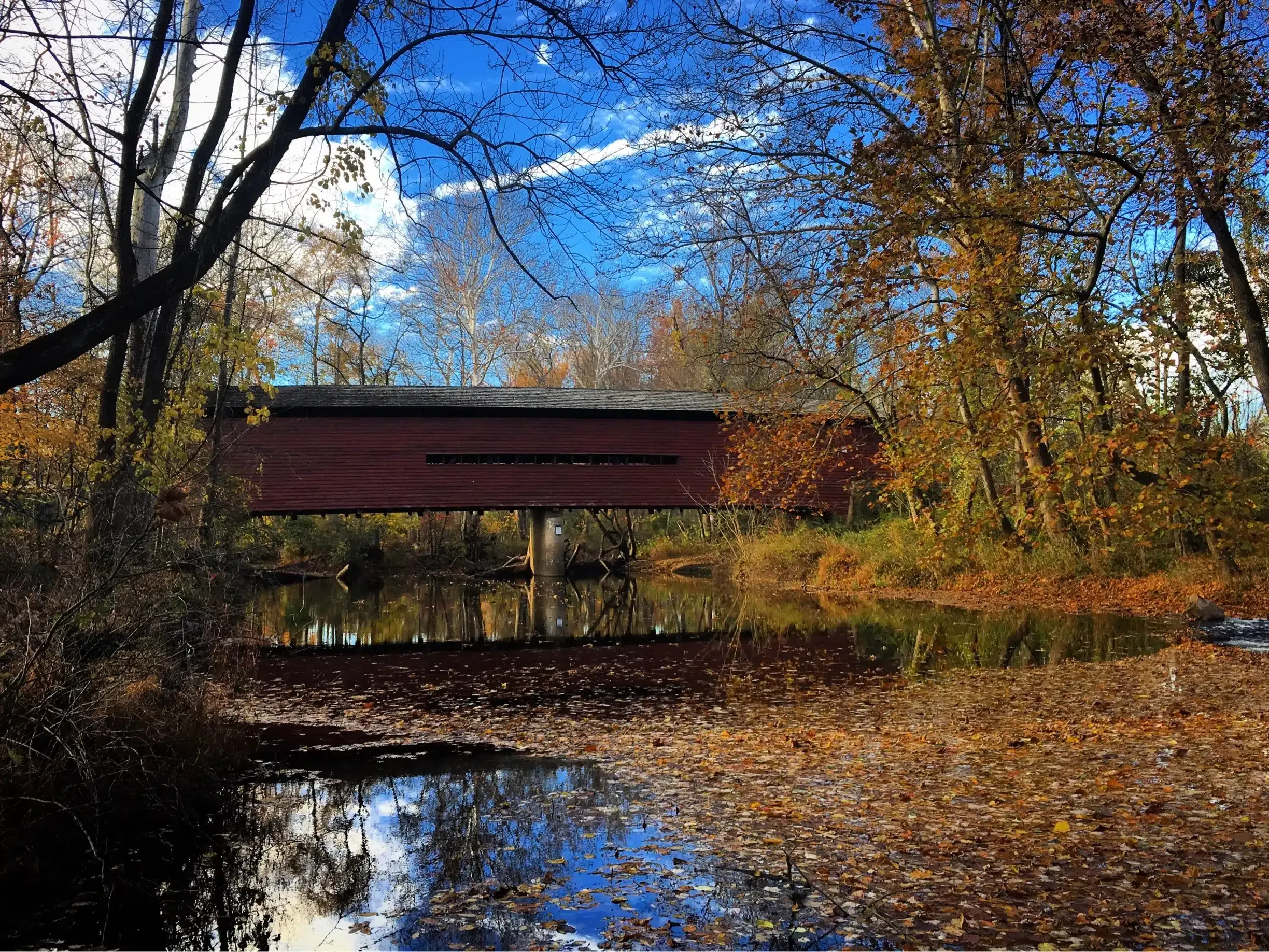
For those who prefer a quieter, more nature-focused outing, the French Creek Heritage Trail offers breathtaking views of fall foliage along the creek. Whether you’re walking, jogging, or biking, this scenic trail is perfect for soaking in the colors of the season and enjoying some fresh air. It’s also an excellent spot for fall photography or simply taking a moment to relax and appreciate the beauty of Phoenixville in autumn.

Enjoy Fall Events & Activities in Phoenixville This Season

Phoenixville is full of seasonal activities that make fall a magical time for the whole community. From festivals and farmers’ markets to scenic trails and creative family events, there’s something for everyone to enjoy.

At The Jaydor Company, we’re proud to serve Norristown and the Philadelphia area with expert garage door and construction services for both residential and commercial properties. While we focus on building and improving homes and businesses, we also love highlighting local events that make our community special.

Call us today at (484) 997-8779 to schedule a consultation or learn more about our services—and don’t forget to explore all that Phoenixville has to offer this fall!

Upgrading Your Property with Expert Custom Steel Fabrication Services

When you think of upgrades to your property, you might picture new finishes, doors, or layouts. But the real backbone of a safe and lasting project often lies in what you don’t see—its structural support. That’s where custom steel fabrication comes in. Strong, precise, and built for your exact needs, custom steel fabrication ensures your property can handle both today’s demands and tomorrow’s challenges.

At The Jaydor Company, we provide professional custom steel fabrication services in Norristown and the Philadelphia area, helping commercial and residential clients improve the strength and reliability of their properties. Here’s what you should know about custom steel fabrication and how our team can bring value to your next project.

What Is Custom Steel Fabrication?

Custom steel fabrication is the process of cutting, bending, and assembling steel into structures designed for specific uses. Unlike standard, pre-made pieces, custom fabrication ensures that the steel is built to fit the unique requirements of your project.

For example, when creating a new garage door opening in a warehouse, standard framing may not provide the necessary strength. With custom fabrication, steel can be shaped and installed to create a durable, tailored frame that safely supports the weight and size of the door. By addressing the unique demands of each project, custom steel fabrication provides a reliable foundation that supports both safety and long-term performance, making it a smart investment for residential or commercial projects.

The Benefits of Custom Steel Fabrication

Why invest in custom steel fabrication for your Norristown property? Here are a few of the biggest advantages:

  • Durability and Strength – Steel is one of the most reliable construction materials available, capable of withstanding heavy loads and constant use.
  • Tailored Fit – Every property is different, and custom fabrication ensures a perfect match for your structure.
  • Versatility – Steel can be adapted for openings, reinforcements, safety barriers, pit levelers, and more.
  • Long-Term Value – With expert installation, steel structures reduce the risk of costly repairs and provide decades of reliable service.

Whether it’s a home renovation or a major commercial build, steel fabrication ensures the strength and safety every project requires.

Built to Handle Heavy-Duty Commercial Needs

At The Jaydor Company, our custom steel fabrication services are especially valuable for commercial properties. From warehouses to industrial facilities, businesses rely on strong, reliable steel to keep operations safe and efficient.

Some of our most common commercial services include:

  • Garage Door Openings & Conversions – Reinforced steel frames that support heavy-duty commercial doors.
  • Loading Docks & Pit Levelers – Steel structures built to handle the weight of forklifts, machinery, and shipments.
  • Masonry and Floor Modifications – Openings, floor cutting, and core drilling to prepare your property for new equipment.
  • Safety Installations – Bollards and barriers designed to protect property, vehicles, and pedestrians.

Our steel solutions provide the durability your commercial property needs while keeping it aligned with essential safety regulations.

Strength and Support for Home Projects

While steel fabrication is most commonly associated with commercial work, it plays an important role in residential upgrades too. Homeowners can benefit from steel’s strength when making structural changes such as:

  • Garage Door Frames – Ensuring a safe and stable foundation for new or converted garage doors.
  • Garage Door Conversions – Combining two openings into one larger door (or splitting one into two).
  • Patio Enclosures & Additions – Reinforcing structures so they remain sturdy and long-lasting.

By incorporating custom steel into home projects, Norristown homeowners can gain peace of mind knowing their upgrades are safe and built to endure.

Why Choose The Jaydor Company?

Custom steel fabrication requires skill, precision, and the ability to handle every detail on-site—capabilities that not every contractor offers. At The Jaydor Company, we do it all. From designing and fabricating steel components to professional installation, our team ensures each project is completed safely, efficiently, and exactly to your specifications.

Here’s why businesses and homeowners across Norristown and the Philadelphia area trust us for their construction needs:

  • On-Site Solutions – We manage fabrication and installation on-site, reducing delays and keeping your project on schedule.
  • Skilled Technicians – Our certified professionals prioritize safety and precision in every task.
  • Comprehensive Capabilities – From creating openings to installing pit levelers, we handle every stage of the project.
  • Trusted Experience – Decades of service in Norristown and the surrounding Philadelphia area have earned us a reputation for reliability and quality.

Our ability to deliver tailored, on-site solutions is what sets us apart and keeps clients coming back for both commercial and residential projects.

Strengthen Your Property with Custom Steel Fabrication

Whether you’re upgrading a warehouse or installing a new garage door at your home, The Jaydor Company has the expertise to deliver safe, reliable, and lasting steel solutions across Norristown and the surrounding Philadelphia area.

Call us today at (484) 997-8779 for your free estimate and discover how our expert custom steel fabrication services can upgrade your property—built strong, built safe, and built to last.